Five Field Habits We Require from Our Photographers (Kindly)
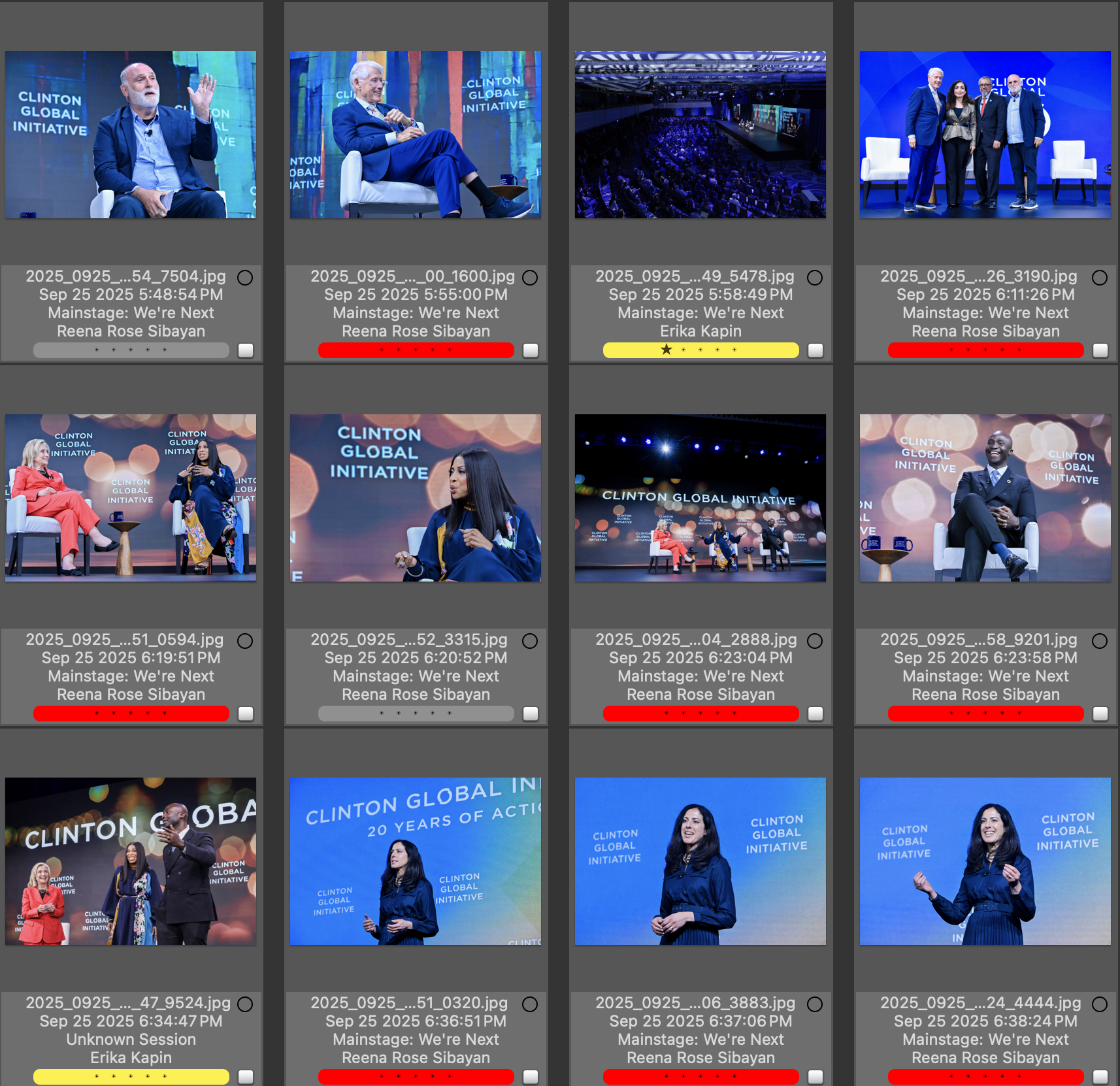
When you're managing multiple photographers across a global summit or multi-track event, “shooting well” isn’t enough. Great images can move faster if the metadata is clean, the timeline is accurate, and the handoff doesn’t sabotage your turnaround.
These five field habits are the non-negotiables we brief every photographer on before game day. They’re simple, respectful, and, when done consistently, save hours of headache downstream for editors, ingest teams, and clients.
Why This Matters
A single photographer out of sync can create:
misaligned capture times (we sort by these)
incorrect credits
missing captions
delays in real-time delivery
These habits keep the workflow stable, scalable, and predictable, regardless of how many photographers we have covering the event.
Here are the non-negotiables we cover in our photo team briefings. When done right, they can literally save us hours of headache later.
1. The "One File" Rule Before the event begins, every photographer delivers one untouched test frame from every camera body they plan to use, straight out of camera, no renaming.
Why? We use these files to map your camera’s internal Serial Number and or Make/Model (for certain Sony’s that don’t like to write serial numbers) to your name in Photo Mechanic. This allows us to automate photo credits and sort/create folders automatically by photographer.

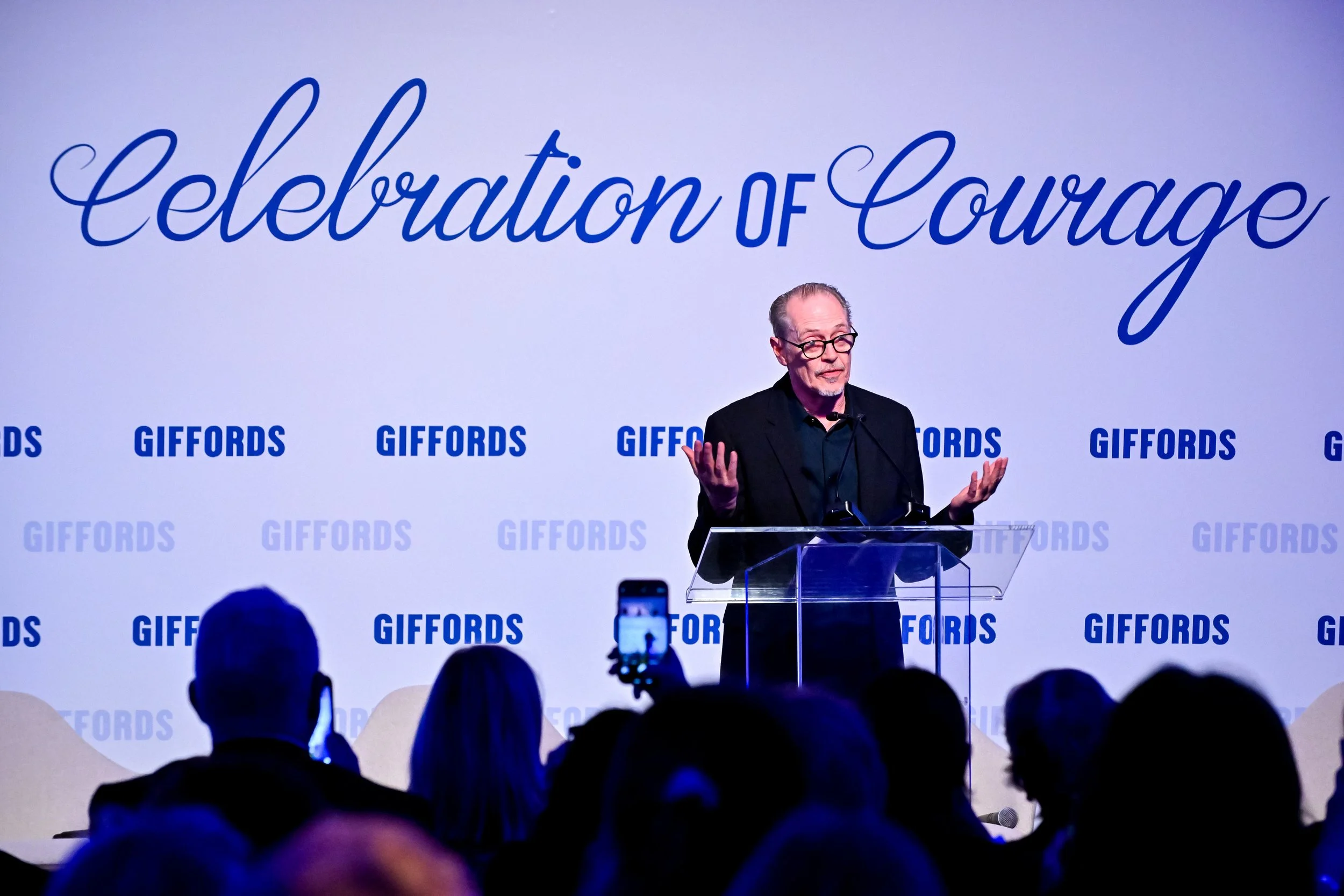
Photos by Max W. Orenstein for GIFFORDS
2. Sync or Swim Metadata is useless if the capture time is wrong. We require every camera to be synced as close as possible, and in the right time zone! When we merge files from five different shooters later, an hour drift could result in a chronological nightmare where a speaker appears on stage before they've been introduced. Time sync is the hardest thing to correct ones photos are moved into various folders and mixed together, so it must be right at ingest time.
3. The "Standard" Shotlist Most clients don't need 3,000 photos one panel discussion. We need the right photos.
Wide, Medium, Tight: It’s photojournalism 101. Get the establishing shot of the room (wide), (medium) interaction between panelists, and the clean tight shots of each speaker.
Slate the Room: When entering a new session, shoot the signage first.
This:
creates a visual break in contact sheets
gives editors an immediate organizational anchor
prevents mislabeling between rooms with similar sets
4. Edit In-Camera (lightly) If you shoot a burst of 10 frames of a handshake, lock the best one in-camera. Our editors are moving fast; pointing them to your favorite frame helps us ensure your best work makes the cut.
5. Professional Presence We operate in rooms with Heads of State. Discretion is imperative. We tell our team: "Tell a story, capture the emotion, but be a fly on the wall."
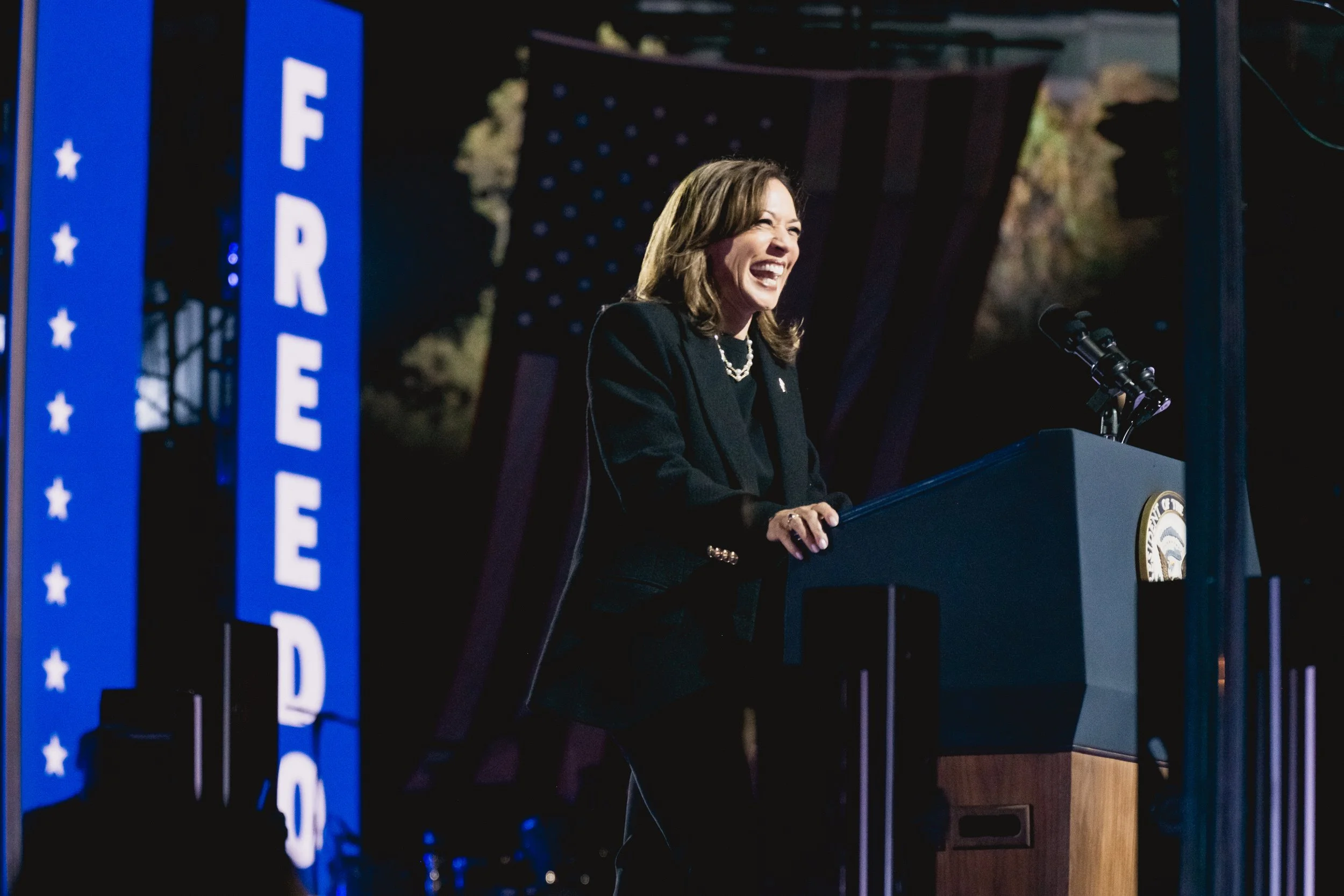
Photo by Max W. Orenstein for the DNC
What This Means for You
Whether you're a photographer joining our team or a client evaluating how we operate, these habits ensure:
predictable workflows
faster turnarounds
accurate metadata
clean timelines
fewer surprises for your internal comms team
more usable images in less time
Strong field discipline is the backbone of a successful multi-shooter operation!
Photographers & Editors: Want to work with a team that operates like this?
Email Max to introduce yourself and share your portfolio.
Organizations: Want a disciplined, multi-photographer tea for your next summit?
Let’s talk about your event.
max@runwithitproductions.com