The Operation
From crew and workflow to selects and delivery, here's how we run it.
Before the event starts, the work has already begun.
We don't arrive on day one figuring out folder structures or asking what format you need files in. That's already done. Before we ever show up, we've mapped the schedule, built your metadata templates, set up the delivery pipeline, and made sure everyone on the team knows their role.
By the time your first session starts, we're ready to shoot, select, caption, and deliver in whatever sequence your team needs.
How This Shows Up in the Field:
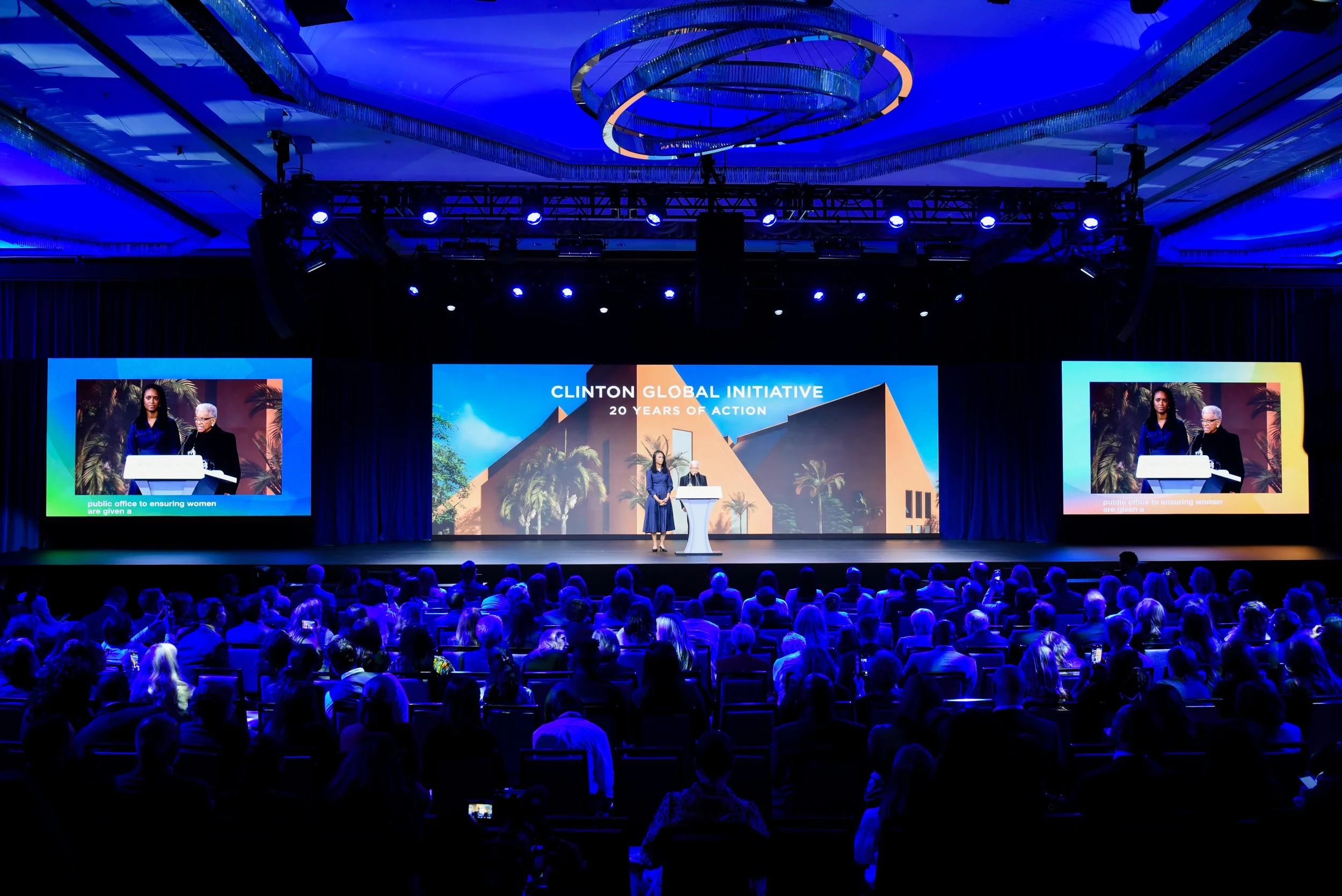
The High-Speed Edit: How We Deliver Captioned Photos for CGI in Minutes
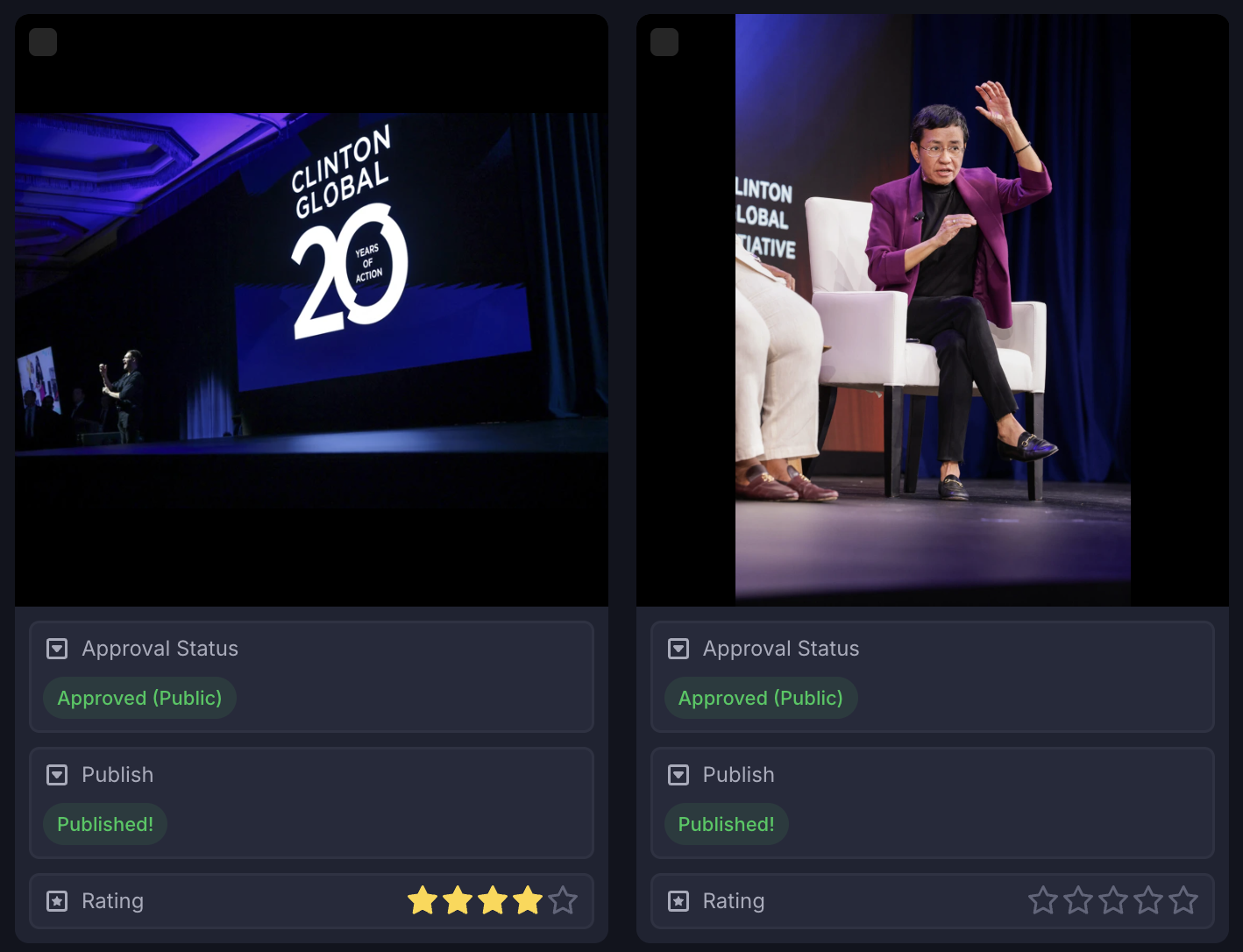
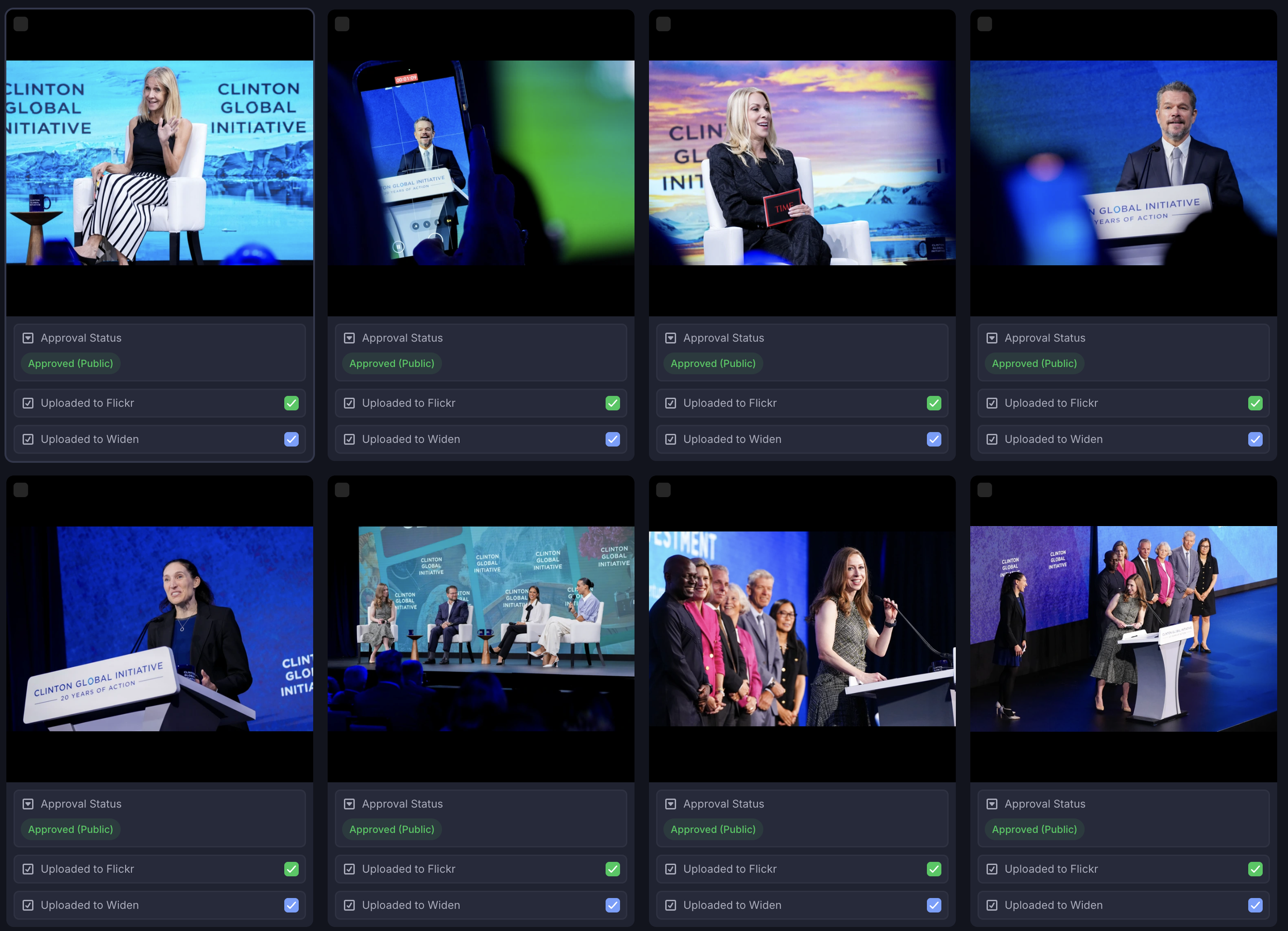
Your team reviews photos on their phone. Our system does the rest.
We use Frame.io to manage selects and approvals during the event. Your comms staff flags what they want, and the right files move without anyone having to chase them down.
It works because we build it specifically for your event before we arrive.
Related thinking:
Automating the Bottleneck: How We Built a Custom Photo Approval & Publishing Engine
The system holds because the habits are non-negotiable.
Connectivity drops. Schedules shift. A session runs long and the next one starts early. We've been in enough of these situations that we plan for them as a matter of course.
Every photographer on a Run With It crew shoots to the same standards, our editors utilize the same folder structure and knows exactly where their files need to be and when. That consistency is what makes fast delivery possible without things breaking down mid-event.
Related thinking:
Five Field Habits We Make Our Photographers Do (Kindly)
We staff around your event, not the other way around.
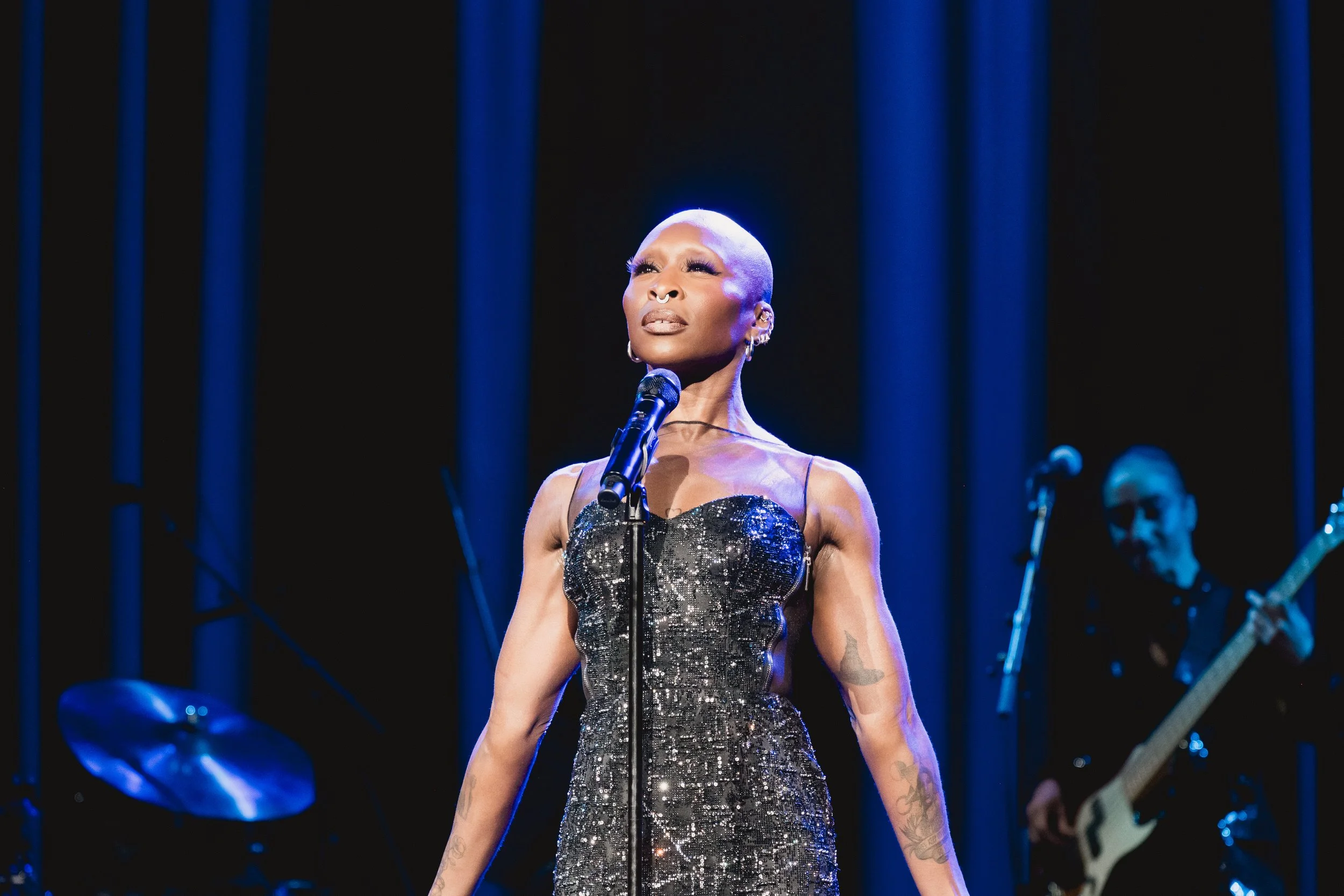
Crew size, role assignments, whether you need an on-site editor (or editors), that's all determined in advance based on your program. A single-track half-day summit is a different operation than a three-day multiroom conference, and we staff accordingly.
Everyone on the crew is briefed before arrival. No one is learning the workflow on your time.
The infrastructure we run on is also available to rent for your event.
Tell us about your event. We'll tell you what we'd build around it.
Let’s talk about your event.